Home › Asphalt Milling and Reclamation
Prepare worn pavements for new life with asphalt milling in Nashville, TN. We remove failing surface layers, correct profiles, and reclaim material for reuse where suitable. Proper milling and reclamation sets the stage for durable overlays and reconstructed pavements.
Precision Asphalt Nashville provides professional asphalt milling throughout Nashville, TN, Tennessee and the surrounding area. Our licensed, insured crew delivers safe, clean, on-time work with a free estimate before anything begins. Call (615) 686-2795 or request your free quote.
Practical Asphalt Milling Solutions for Nashville Properties
Asphalt milling is often the smartest first step when a driveway, parking lot, or private road is worn out but the base is still solid. Instead of tearing everything out, Precision Asphalt Nashville uses heavy milling machines to grind off a controlled depth of the old asphalt. This prepares a smooth, stable surface for new pavement and lets us correct drainage problems at the same time.
In Middle Tennessee, the constant cycle of hot summers, cold snaps, and heavy rain works the surface of your asphalt hard. You see rutting in wheel paths, shallow potholes, and widespread cracking. Milling removes that damaged top layer and keeps the stronger base that is already adapted to local soil and traffic. That can save a significant amount of money and cut project time compared to full-depth removal.
We use milling on commercial parking lots, subdivision streets, long residential driveways, and industrial yards across the Nashville area. Typical depths range from 1 to 3 inches for surface rehab, but we can go deeper if needed. The goal is simple: create an even, properly sloped platform that will hold new asphalt, drain water away from buildings, and stand up to the kind of traffic you actually have on site.
Every milling job starts with a walk of the property and a straightforward conversation. We look at traffic patterns, where water sits after a storm, how the surface has failed, and what kind of loads the pavement carries. From there, we decide with you whether milling and reclamation is the right fit or if certain sections need full-depth reconstruction.
How Asphalt Milling and Reclamation Are Actually Done
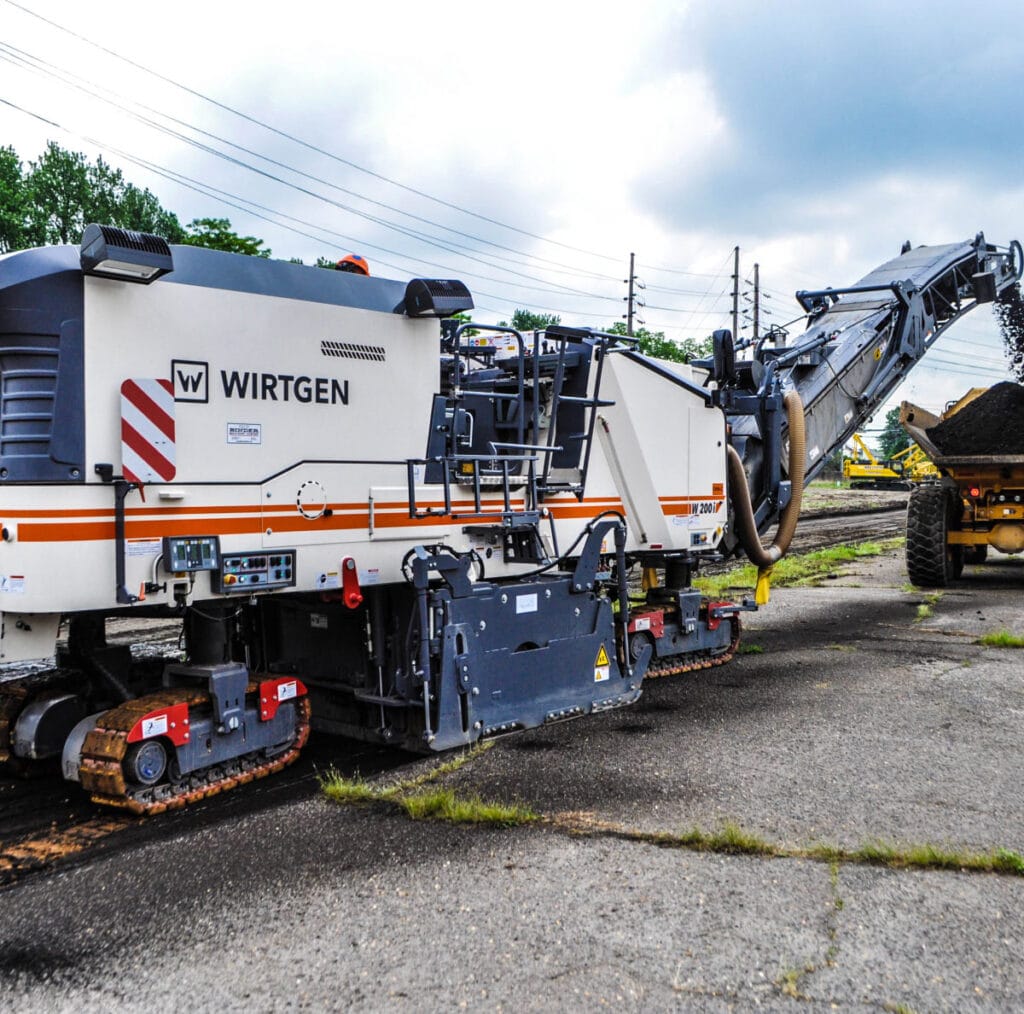
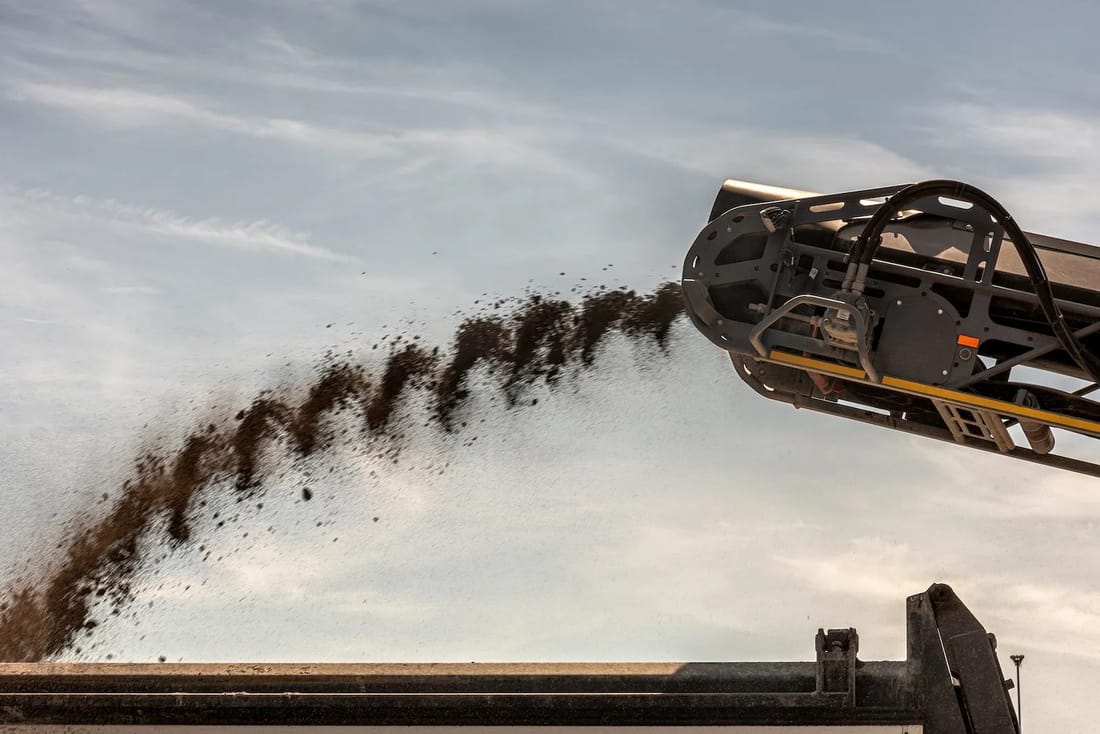
If you have never seen asphalt milling up close, it is more precise than it looks. Precision Asphalt Nashville brings in a cold planer (also called a milling machine) with a rotating drum that is lined with cutting teeth. As the machine moves forward, it grinds the asphalt in a controlled layer and conveys the milled material directly into dump trucks. We adjust the cutting depth in small increments so we only remove what is needed.
We typically start along the gutter lines and low spots, since that is where water problems show up first. If your parking lot holds water along the curb after a storm, we will mill a bit deeper there to re-establish the right slope. We use automatic grade controls and string lines or digital layout so your new pavement sheds water toward drains, swales, or the street. On driveways and private roads, we pay special attention to transitions to the street and garage so there are no sharp bumps.
As we mill, our crew constantly checks for soft spots or pumping areas where the base flexes under the weight of the machine. When we hit a weak area, we stop, mark it, and dig down to see what is going on. Sometimes it is trapped water in the base, sometimes clay that was never compacted correctly. Those areas are cut out, the base is rebuilt with compacted stone, and only then do we continue milling and paving.
Reclamation comes into play when the surface is shot and there are base issues, but a full remove-and-replace would be overkill. With reclamation, we use a reclaimer/stabilizer to blend existing asphalt and base material together in place, often 6 to 12 inches deep. In some Nashville soils, especially in areas with clay or poor drainage, we may mix in cement or other stabilizers. This creates a stronger, drier base layer without hauling everything off. After reclaiming, we compact the blended layer, fine grade it, and then pave new asphalt over the top.
Throughout the process, traffic control is planned so your customers or residents can still function. On many commercial jobs we mill one half of a lot at a time, open it back up for use overnight, then tackle the other half. The sequence is planned around your busiest hours so you are not losing business while the work is being done.
Local Factors in Nashville That Affect Timing and Cost
Asphalt milling and reclamation in Nashville are heavily influenced by weather and site conditions. Our summers are hot and humid, which is actually good for paving because new asphalt compacts and bonds well in warm temperatures. The tricky part is scheduling around thunderstorms that can dump a lot of rain in a short time. We avoid milling areas we cannot pave back soon, because leaving milled surfaces open during heavy rain can cause water to infiltrate the base.
From late fall through early spring, temperature swings and overnight freezes become a concern. We can still mill in cooler weather, but we plan carefully so paving happens on a day when the ground and air temperatures are suitable. If you are planning a large reclamation job, the ideal window in Middle Tennessee is usually from late March through early November, when we can expect stable temperatures and faster drying of the reclaimed base.
Site access and drainage also play a big part in pricing. Tight, hilly driveways, crowded lots with many islands, and areas with poor truck access require smaller machines and more hand work, which take more time. If storm drains are too high or too low, we have to adjust or reset them during the milling process so the final surface matches. That adds labor and material but prevents future standing water and trip hazards.
The condition and thickness of your existing asphalt also affect cost. A thick, fairly uniform surface is easier to mill in a consistent pass. Thin or patchy asphalt over soft spots means more spot repairs and base work. At Precision Asphalt Nashville, we include these realities in the proposal rather than surprising you later. When we walk the site, we will point out where we expect extra base repair, and we can price that as a known allowance instead of a vague contingency.
Traffic load is the final key factor. A small church lot with light weekend traffic does not require the same design as a trucking yard off I 24. Heavier loads may call for deeper reclamation, thicker asphalt lifts, or mixes with more crushed stone. We match the milling depth, reclamation depth, and new asphalt design to the way your pavement is actually used, not just a generic one-size plan.
What Nashville Property Owners Should Decide Before We Start
Before we bring a milling machine onto your property, it helps if you have a clear idea of how you want the new pavement to function. Precision Asphalt Nashville will guide you, but there are a few decisions that go smoother when you think about them early.
First, consider drainage goals. If you already know where water stands after storms, tell us, or walk those areas with us. We can adjust milling depths to pull water off trouble spots, add small swales within the asphalt, or re-pitch sections toward drains. On older lots, this might be the only realistic chance to fix drainage without major concrete work.
Second, think about striping and layout changes. Milling and reclamation do not just rebuild the surface, they give you a chance to add or rework parking spaces, loading zones, or traffic flow. If you want to add ADA stalls, convert to one way traffic, or move loading areas, we can mill transition areas to support the new layout and make sure slopes at accessible spaces and ramps meet practical standards.
Third, decide your tolerance for downtime. If this is a busy retail center in Nashville, we might suggest a phased approach with night or early morning work. That can increase the cost slightly, but it protects your revenue. For a private HOA road or a long driveway, it may be cheaper and easier to close the whole stretch for a day, mill and reclaim, then pave it in one continuous operation.
Finally, understand how the milled surface will feel between milling and paving. Milled asphalt has grooves and a textured profile. It is perfectly drivable, but pedestrians in high heels, wheelchairs, and carts may have a harder time. If we must leave it open for a day or two, we can smooth key walk paths and make sure signage directs people to safer routes.
How Precision Asphalt Nashville Handles Quality, Cleanup, and Long Term Performance
A good milling and reclamation job is measured years later, not just on paving day. Precision Asphalt Nashville focuses on three practical things that matter to property owners in and around Nashville: surface smoothness, clean edges, and how well the pavement holds up after several hot summers and cold winters.
We put a lot of effort into the fine grading between milling and paving. After the milling machine passes, we use skid steers, graders, and plate compactors to remove loose material, reshape transitions, and make sure there are no sudden dips that will telegraph through the new asphalt. On reclamation projects, we take extra passes with rollers to lock the blended base in tight before any asphalt goes down.
Dust, debris, and cleanup are also part of the work. Milling creates a lot of grindings, but nearly all of it is conveyed directly into trucks for recycling. Any loose millings that remain are swept up so they do not end up in your drains or landscaping. On commercial sites in Nashville, we schedule final sweeping before striping so your lot looks finished, not like a construction zone.
Recycled asphalt millings are handled responsibly. When possible, we send them to local asphalt plants where they are reclaimed into new mixes. On some projects outside dense neighborhoods, you may choose to reuse a portion of millings on non critical areas like gravel drives or utility paths. We will tell you when that makes sense and when it does not.
After paving, we compact the new asphalt with the right combination of steel drum and pneumatic rollers to reach proper density. That reduces air pockets and keeps Nashville heat and rain from breaking the surface down early. We typically recommend waiting at least 24 hours before heavy traffic and 30 days before any sealcoat, so the asphalt has time to cool and harden. We also provide simple maintenance guidance, like keeping edges supported and avoiding sharp turning of heavy vehicles while the surface is new.
When you work with Precision Asphalt Nashville on milling and reclamation, you get a crew that does this type of work every week in the same climate and soil you live with. We know how the surface will behave through August heat and January freezes, and we build that experience into the plan so you are not just getting new blacktop, you are getting a pavement structure that is ready for Nashville conditions for years to come.