Home › Asphalt Pathways, Sidewalks, and Trails
Build smooth, accessible routes with asphalt pathway paving in Nashville, TN. We construct sidewalks, greenway style trails, and multi use paths for pedestrians and cyclists. Durable asphalt provides a comfortable, low maintenance surface for parks, campuses, and communities.
Precision Asphalt Nashville provides professional asphalt pathway paving throughout Nashville, TN, Tennessee and the surrounding area. Our licensed, insured crew delivers safe, clean, on-time work with a free estimate before anything begins. Call (615) 686-2795 or request your free quote.
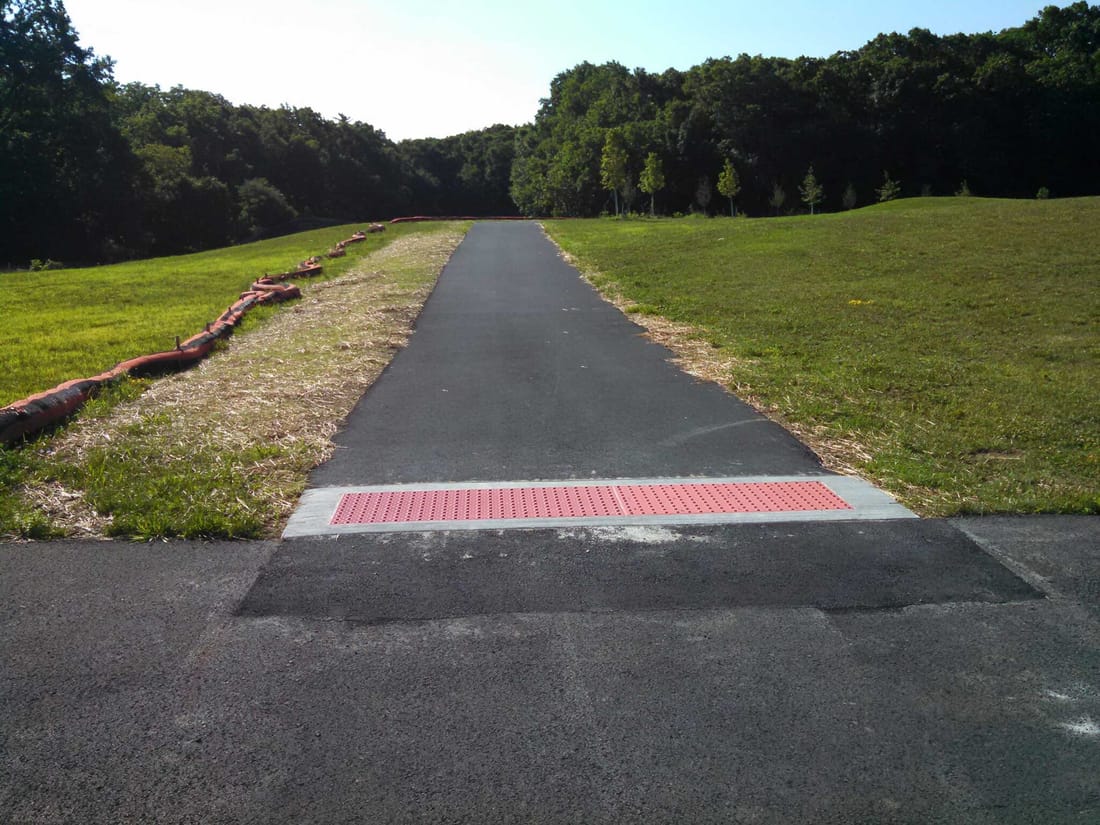
Asphalt Pathways, Sidewalks, and Trails in Nashville, TN
If you are planning a new walking route on your property, you want a pathway that holds up to Nashville traffic and Tennessee weather. Precision Asphalt Nashville specializes in asphalt pathway paving for neighborhoods, HOAs, commercial properties, parks, and private landowners across Middle Tennessee.
Unlike a driveway or parking lot, pathways and trails are built for people first. That means different layout choices, smoother transitions, and tighter attention to drainage and trip hazards. On a typical visit, we walk your property with you, flag out potential routes, and point out slopes, tree roots, and drainage patterns that will affect how the asphalt performs over time.
We handle small residential walkways that tie a driveway to a front door, long HOA walking loops, and multi use trails that need to handle bicycles, golf carts, strollers, and maintenance vehicles. By keeping everything in house, from layout to compaction, Precision Asphalt Nashville can dial in the right design and thickness for how your asphalt pathway will actually be used.
How We Build Long Lasting Asphalt Pathways, Sidewalks, and Trails
For asphalt pathway paving to last, the preparation is more important than the blacktop you see on top. Our crew begins by clearing grass, roots, and soft organic soil along the marked route. In many Nashville yards and greenbelts, soil conditions change quickly from red clay to rocky fill, so we adjust how much material we remove and how much stone base we install as we move along the path.
Next we grade the subgrade so water has a place to go. For pathways and trails, we usually build in a gentle crown or cross slope of about 1.5 to 2 percent so water sheds off the surface but still feels level to someone walking or pushing a stroller. We also match elevations at tie in points like driveway edges, curb ramps, and existing sidewalks so there are no harsh lips.
We install a compacted base layer of crushed stone, typically 4 to 8 inches deep depending on soil conditions and expected traffic. In softer areas or along creeks and drainage swales, we may increase base depth or use geotextile fabric to keep the stone from pushing down into the mud. Every lift of stone is compacted with vibratory rollers or plate compactors so the base is tight and stable.
Once the base passes our compaction checks, we place hot mix asphalt in one or two lifts. For light use walking paths we generally install 2 to 2.5 inches of finished asphalt. For multi use trails that see bikes, golf carts, or service vehicles, we often recommend 3 inches or more. Edges are shaped and compacted so they are not brittle and prone to chipping.
We pay close attention to joints, especially if we are tying into existing concrete walks or older asphalt. Smooth joints are what prevent stubbed toes, pooling water, and early cracking where new work meets old. Before we leave, we walk the entire route, fix any low spots while the mix is still workable, and make sure slopes feel natural and comfortable.
Design Choices for Pathways, Sidewalks, and Recreational Trails
Asphalt pathway paving is not one size fits all. At Precision Asphalt Nashville, we tailor the design of each path to how you want people to use it and what the site will allow.
Width is the first big decision. For a simple residential walkway from driveway to porch, 3 to 4 feet is usually comfortable. Neighborhood walking loops and HOA paths are often 5 to 6 feet wide so two people can walk side by side. Greenway style trails and multi use routes that may see bicycles or golf carts often start at 8 feet and go wider in busier areas.
Curves and alignment come next. In hilly parts of Nashville such as Bellevue, Antioch, and parts of Hendersonville, straight lines are not always practical. We lay out gentle curves that follow the land, which looks better and keeps costs down because we move less dirt. At the same time, we avoid tight S curves that can cause drainage problems or feel unsafe for bikes.
Surface texture is another design choice. Standard machine finished asphalt is already smooth, but for areas where wheelchairs, walkers, and strollers are common, we pay extra attention to final rolling so the surface is as even as possible. On steeper slopes or near water features, we can leave a slightly more textured finish for better grip while still meeting accessibility needs.
We also talk through edge treatments. Some clients prefer a natural edge where the asphalt tapers directly into grass. Others choose a compacted stone shoulder or a small curb to keep mulch and soil from washing on the path. Around playgrounds and community pools, defined edges help control where kids cut through landscaping and make mowing easier.
If your pathway crosses drive lanes or parking areas, we can incorporate striping, stop bars, and pedestrian markings. While this is less formal than a city street project, these visual cues help drivers notice crossing points and protect the people using your new trail or sidewalk.
Costs, Timeline, and Common Issues for Nashville Pathway Projects
Most homeowners and property managers want to know what drives the cost of asphalt pathway paving. The main factors are total length, width, thickness, how much excavation and base work is required, and how easy it is to get to the site with equipment and trucks. A simple 4 foot wide sidewalk alongside a driveway with good access will cost less per foot than a winding wooded trail that requires smaller equipment and more hand work.
Soil and drainage are huge cost drivers in the Nashville area. Bottomland near creeks, low spots that stay damp, and filled in areas of older properties usually need thicker stone, fabric reinforcement, or minor drainage improvements like swales or small culverts. Spending a little more up front on base work often avoids rutting, heaving, and edge failures within a couple of seasons.
Timeline depends on size and weather. A short residential walkway may be completed in one day or split into two shorter visits for prep and paving. Longer HOA paths or park trails may take several days, especially if we need to coordinate around residents, park users, or school hours. In Middle Tennessee we schedule carefully around summer heat and sudden thunderstorms, since asphalt placed on a soaked base or in standing water will not last.
Common issues we see on older Nashville pathways include tree root heaving, standing water in shaded spots, cracked edges where mowers run right at the edge, and transitions that were never matched correctly when a driveway or parking lot was resurfaced. When we bid a project, we look for these patterns and build in solutions, like slight route shifts around major root systems, added base in soft areas, or installing root barriers where appropriate.
Before you hire anyone, ask to see pathway or trail jobs they have completed locally, not just driveways. Pathways have tighter tolerances and more interaction with landscaping and pedestrians. Precision Asphalt Nashville can point you to projects in different parts of town that match your site conditions so you know how your finished path is likely to perform.
Maintenance, Accessibility, and Why Local Experience Matters
A well built asphalt pathway, sidewalk, or trail in Nashville should give you 15 to 25 years of use with basic care. We usually recommend waiting 6 to 12 months before any sealcoating so the asphalt can cure. After that, periodic sealing can help resist oxidation and light surface raveling, especially in full sun areas. More important than sealcoat is prompt crack filling. Small cracks let water reach the base, and with Tennessee freeze thaw cycles, that quickly turns into potholes and uneven areas.
Snow and ice are less frequent here, but when they do hit, use a plastic shovel and avoid aggressive metal blades that can gouge the surface. If you need deicers, calcium based products are usually gentler on asphalt than rock salt. For HOAs and campuses, we can talk through a maintenance plan that lines up with your landscaping and snow removal arrangements.
Accessibility is another key consideration. While we are not a legal ADA consultant, our crews work every day with basic accessibility guidelines for slopes, cross slopes, clear widths, and transitions at curb ramps. On new projects we aim to keep slopes within comfortable walking ranges and to minimize abrupt changes at driveways and crosswalks. If your project involves schools, medical offices, or churches, we encourage an upfront conversation about accessibility expectations so the design supports your users.
Local experience makes a noticeable difference. Nashville has pockets of expansive clay, steep backyards, and rapidly developing subdivisions where drainage patterns change year to year. Precision Asphalt Nashville has paved paths that run along Cumberland River floodplains, behind older brick homes with shallow utilities, and through new HOA green spaces cut into rock. That history lets us spot issues, like a neighbor's sump pump discharge or a seasonal wet area, before they show up as soft spots under your pavement.
When you are ready to talk about your asphalt pathway, sidewalk, or trail, we can meet you on site, walk the route, and give practical options with clear cost differences. You will know what we recommend, why we recommend it for Nashville conditions, and how to maintain your new pathway so it stays safe and attractive for years.