Home › Asphalt Resurfacing & Overlays
Refresh worn pavement with asphalt resurfacing in Nashville, TN. Our team evaluates your existing driveway and installs a smooth overlay when the base is still strong. Improve appearance and performance at a fraction of full replacement cost.
Precision Asphalt Nashville provides professional asphalt resurfacing throughout Nashville, TN, Tennessee and the surrounding area. Our licensed, insured crew delivers safe, clean, on-time work with a free estimate before anything begins. Call (615) 686-2795 or request your free quote.
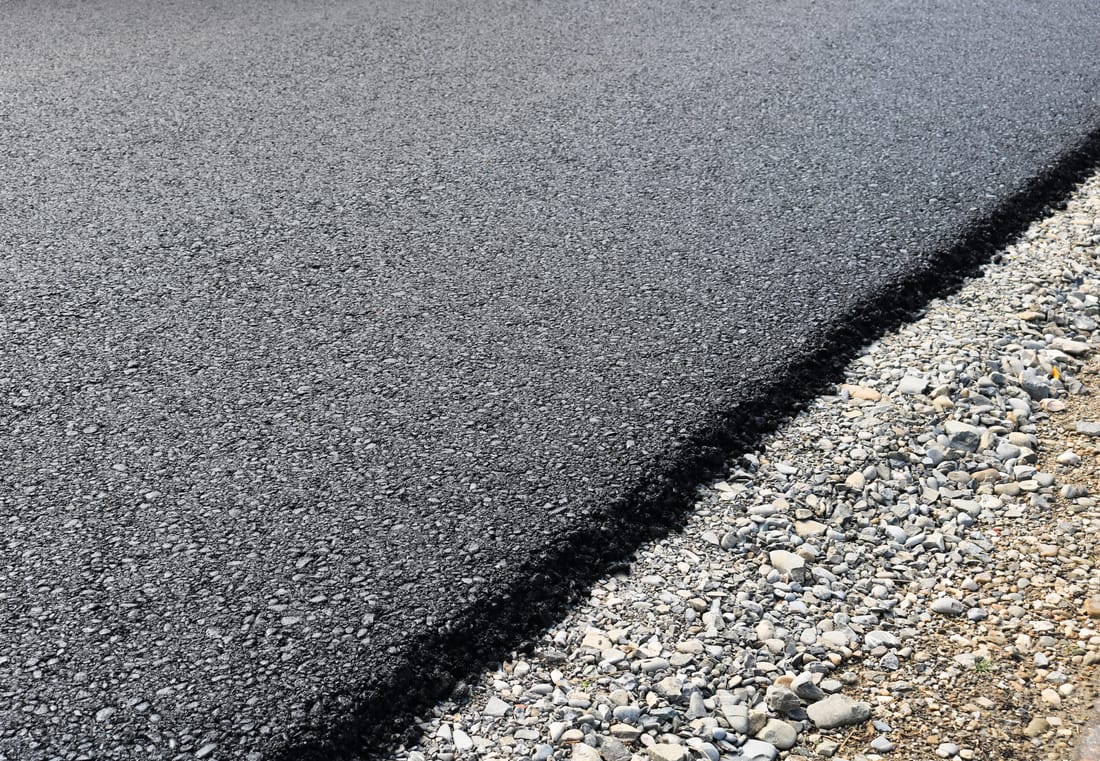
Asphalt Resurfacing & Overlays in Nashville, TN
When your pavement is worn out but not completely destroyed, asphalt resurfacing can give it a fresh, long‑lasting driving surface without the cost of a full tear‑out. At Precision Asphalt Nashville, we focus on resurfacing and overlays that match Middle Tennessee traffic, heat, and rainfall, so your parking lot or driveway holds up in real local conditions.
Resurfacing means we keep the existing base and lower asphalt layers that are still structurally sound, then install a new asphalt layer on top. It is ideal when you are seeing issues like shallow cracks, light raveling, mild rutting, or faded striping, but the pavement is not breaking up in large sections. If your lot or driveway has widespread alligator cracking, sinking areas, or serious base failure, we will explain why a full reconstruction or partial removal might be a better value.
Nashville’s climate matters a lot here. Summer heat can soften older asphalt, which is why we adjust the mix design and compaction methods depending on the season. We typically recommend scheduling resurfacing from late spring through early fall, when temperatures consistently stay above 50°F. Cooler temperatures in winter can prevent proper bonding and compaction, so we reserve that season mostly for evaluations, planning, and smaller repair work.
How Asphalt Resurfacing Is Actually Done
A quality overlay is much more than just spreading a new layer of asphalt. Precision Asphalt Nashville follows a step‑by‑step process that is designed around real on‑site conditions.
1) Detailed inspection and elevation checks: We start by walking the entire site and marking drainage paths, ponding areas, and structural failures. In Nashville, a lot of older lots have low spots that collect water near inlets or at the bottom of slopes. We check curb heights, door thresholds, and ADA paths to make sure the new asphalt layer will not create trip hazards or cause water to run toward buildings.
2) Repairs before resurfacing: Any serious defects must be corrected before the overlay. This can include full‑depth patching where the base has failed, milling down high spots, saw‑cutting and removing broken sections, and fixing utility cuts that were never properly restored. If we simply pave over those problems, they will reflect through the new surface surprisingly fast, so we address them first.
3) Edge preparation and cleaning: We clean the existing pavement with blowers and brooms to remove dust and loose material. At transitions to other surfaces, like city streets or adjacent concrete, we often mill a tapered edge so the new overlay finishes flush instead of creating a bump.
4) Tack coat application: A tack coat is a thin layer of asphalt emulsion that helps the new asphalt bond to the old pavement. Skipping this step is one of the reasons some overlays peel or slide. We spray tack evenly across the surface, adjusting coverage on steeper slopes or in areas with more texture.
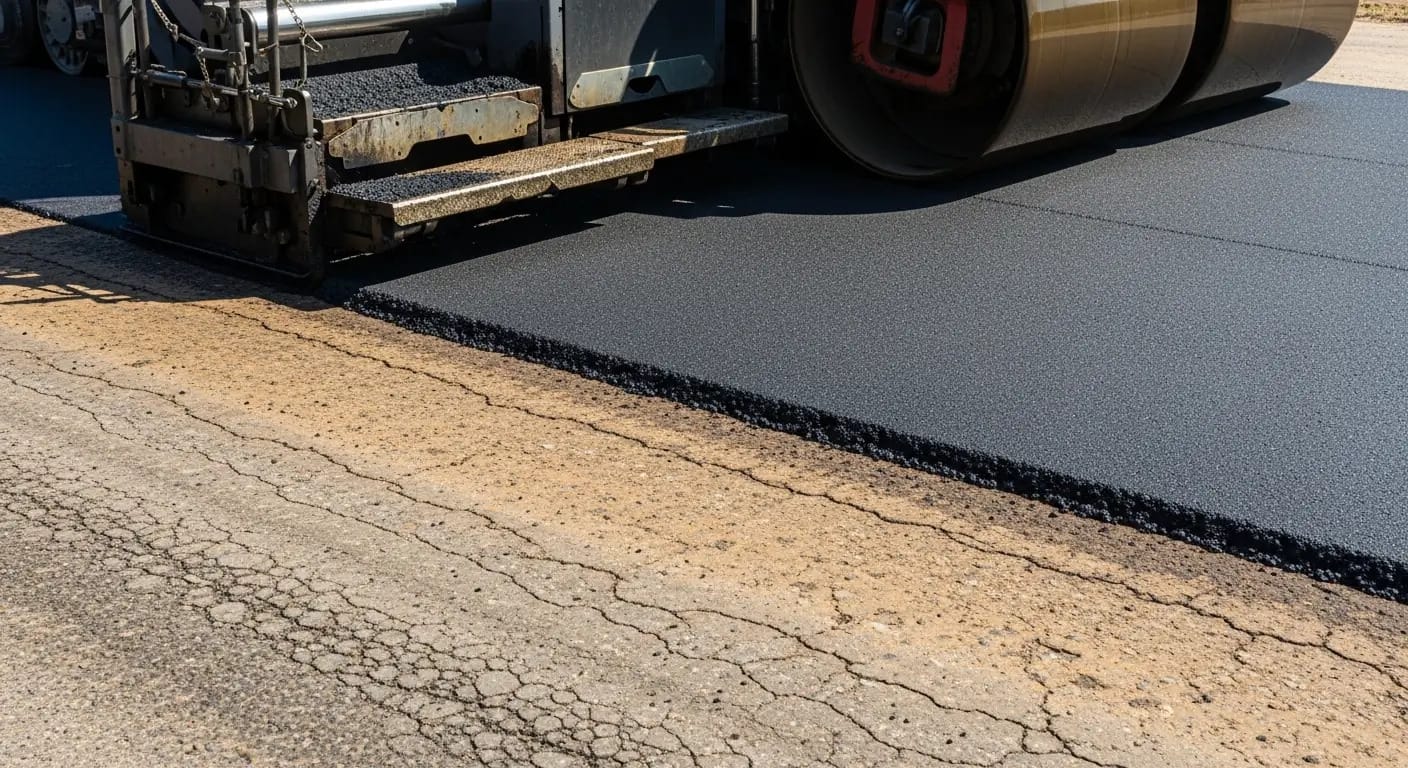
5) Installing the new asphalt layer: For most lots and drives we install 1 to 2 inches of new hot mix asphalt. Heavier traffic or truck routes may need 2 to 3 inches. Our crews place and spread the mix with a paver, then compact it with steel drum and pneumatic rollers. We watch joint locations, compaction temperature, and rolling patterns so you get a smooth, tight surface that resists water intrusion.
6) Striping and finishing touches: After the new surface has cooled and cured, we repaint parking lines, ADA markings, fire lanes, and any custom stencils. For commercial properties in Davidson County, we can review your current layout and suggest small changes, like reconfiguring drive lanes or adding loading zones, while we are already on site.
What Drives the Cost of an Overlay in Nashville
Customers often ask why two lots that look similar can have very different resurfacing prices. Precision Asphalt Nashville is transparent about the factors that affect cost so you can plan your budget and compare quotes fairly.
Size and layout: Larger lots usually benefit from better pricing per square foot, but layout has a big influence. Wide open areas are more efficient to pave than lots broken up by islands, tight corners, or heavy landscaping. A residential driveway with multiple branches or steep slopes may cost more per square foot than a simple straight drive.
Existing damage and prep work: The more patching, milling, and crack repair needed before the overlay, the higher the total cost. A surface with mostly cosmetic wear can often be resurfaced with minimal prep. A lot with dozens of base failures will need significant repair, or the overlay will not last. We itemize those repairs so you see exactly what you are paying for.
Overlay thickness and asphalt mix: Thicker overlays cost more but are critical in high‑traffic areas, truck routes, or where the base is borderline. We may recommend different mixes for residential drives versus grocery store parking lots or loading areas. Local asphalt plants around Nashville have several mix options, and we choose based on expected traffic, temperature range, and budget.
Access, timing, and phasing: Working in downtown Nashville or busy retail centers often requires night work, weekend work, or phased areas so you can stay open. This can slightly increase cost because of crew scheduling and traffic control. For HOA communities and apartment complexes we can break the project into phases to keep residents moving while we work.
Drainage and corrections: If your current pavement has standing water after a storm, we may propose profile changes or additional milling to correct those low spots. This adds some cost up front but can extend the life of the new surface significantly by reducing freeze‑thaw damage and stripping under puddles.
Common Problems and How We Prevent Them
A resurfacing project can fail early if the contractor skips critical steps. Precision Asphalt Nashville focuses on preventing the issues we see most often around Middle Tennessee.
Reflective cracking: If underlying cracks are not addressed, they will slowly telegraph through the new asphalt. Before the overlay, we clean and fill working cracks with hot‑pour sealant or remove and replace sections that are too far gone. In some cases we recommend limited milling plus a thicker overlay in the most heavily cracked zones.
Drainage and ponding: A flat, low‑lying area in your lot can turn into a birdbath after an overlay if grades are not corrected. We use laser levels and onsite water testing where needed to plan how water will move over the new surface. Sometimes that means milling extra depth near a catch basin or slightly adjusting slopes to get water to the drains instead of your front door.
Poor bonding or slippage: When an overlay is placed on a dirty surface with little or no tack coat, you may later see sliding or shoving of the new layer, especially near intersections and stop points. We prevent this with proper surface cleaning, uniform tack application, and adequate rolling while the asphalt is within the right temperature range.
Rutting and depressions: Nashville’s summer heat and heavy delivery trucks can quickly rut thin or under‑compacted overlays. We pay close attention to areas where vehicles brake, turn, or sit for long periods, such as drive‑thru lanes, entrances, and loading zones. There we may specify a thicker section, a stiffer mix, or additional compaction passes.
Poor scheduling and disruption: Resurfacing does shut down access for a period, but it does not have to be chaotic. We help you plan around your busy times, create traffic control plans, and communicate access changes to tenants or customers. For example, a retail center might resurface in halves, one side at a time, with clear signage and temporary parking arrangements.
What Nashville Property Owners Should Know Before Hiring
Choosing the right contractor for asphalt resurfacing is as important as the decision to resurface in the first place. Precision Asphalt Nashville encourages you to ask specific questions so you know what you are getting.
Ask about evaluation criteria: A reputable contractor should explain why resurfacing is appropriate for your pavement instead of a full remove and replace. They should point out any structural issues, base failures, or drainage concerns, and show how their plan addresses them.
Clarify what is included: Your proposal should spell out overlay thickness, prep work, patching quantities, milling areas, and striping. Make sure it specifies whether drainage corrections are included and how transitions to streets, sidewalks, and concrete aprons will be handled.
Talk timing and curing: In warm Nashville weather, you can usually drive light vehicles on a new overlay within 24 hours, but full cure takes longer. We will give you realistic reopening times for cars, delivery trucks, and heavy equipment so you can plan around them.
Consider future maintenance: An overlay is not the end of the story. To get the longest life from your new surface, we generally recommend a sealcoat in 2 to 3 years, then a maintenance cycle based on traffic and sun exposure. We can give you a written maintenance plan tailored to your property so you know what to budget and when.
Finally, look for a contractor that knows Nashville specifically. Local knowledge matters, from understanding TDOT tie‑in requirements at street entrances to coordinating with Metro codes and local businesses. Precision Asphalt Nashville has resurfaced everything from small Green Hills driveways to multi‑building office parks in Cool Springs and industrial yards north of town, and we bring that experience to every new project.