Home › Gravel-to-Asphalt Conversions
Tired of muddy, dusty gravel at home. Choose a gravel to asphalt driveway conversion in Nashville, TN and enjoy a clean, smooth surface year round. We regrade, compact, and pave over existing gravel to create a durable, low maintenance driveway.
Precision Asphalt Nashville provides professional gravel to asphalt driveway throughout Nashville, TN, Tennessee and the surrounding area. Our licensed, insured crew delivers safe, clean, on-time work with a free estimate before anything begins. Call (615) 686-2795 or request your free quote.
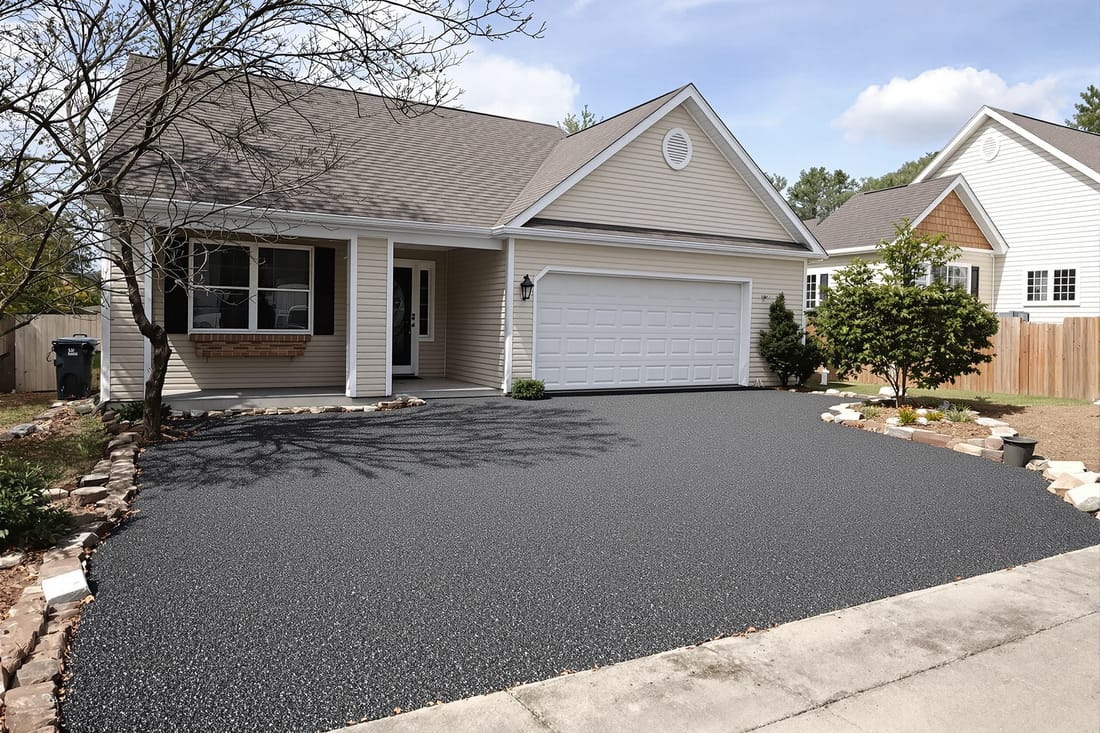
Turn Your Gravel Driveway Into a Smooth Asphalt Surface
If you are tired of dust, mud, and ruts every time you pull in at home, a gravel to asphalt driveway conversion can make your life a lot easier. At Precision Asphalt Nashville, we specialize in turning worn gravel drives across the Nashville area into clean, durable asphalt that looks sharp and is much easier to maintain.
Middle Tennessee weather is rough on gravel. Heavy summer storms wash gravel into ditches, and winter freeze-thaw cycles create soft spots and ruts. Asphalt gives you a stable, all-weather surface that is much easier to shovel, sweep, and keep clean. It also makes parking more predictable, so you are not dodging potholes or tracking mud into the house.
A proper gravel-to-asphalt conversion is more than just laying blacktop on top of stones. We evaluate the base, soil conditions, drainage, and how the driveway is actually used. A short, flat residential drive off Nolensville Pike is not designed the same way as a longer, sloped drive on the outskirts of Franklin that sees delivery trucks. Precision Asphalt Nashville builds each driveway with local soil and traffic conditions in mind so it will last and not start cracking after a couple of seasons.
Many Nashville homeowners also choose to convert to asphalt before listing a property. A smooth asphalt driveway can improve curb appeal quickly and helps appraisers see the home as better maintained. Whether you are planning to stay long term or preparing to sell, a properly constructed asphalt drive is often one of the most noticeable upgrades you can make on the exterior of your home.
How We Convert a Gravel Driveway to Asphalt in Nashville
Our process is designed around the soil, rainfall, and temperature swings we see in the Nashville area. When Precision Asphalt Nashville converts a gravel to asphalt driveway, we follow a clear, step-by-step approach so there are no surprises.
1. Site visit and evaluation. We start with a free on-site review. We check soil type (many Nashville properties have a mix of clay and rock), existing gravel thickness, problem spots that stay wet, and how water moves when it rains. We also measure slopes and check any tight turns or narrow sections that need widening for easier use.
2. Drainage and layout plan. Before any paving, we plan how water will leave the driveway. This might include adding a slight crown to the middle of the drive so water sheds to the sides, installing a shallow swale, or recommending culvert repair along a roadside entrance. Addressing drainage at this stage prevents common Nashville issues like edge breakup and base failure after heavy storms.
3. Base correction and compaction. Many gravel driveways have thin or uneven bases. We regrade the existing gravel, add more crushed stone where needed, and compact it with a vibratory roller. On soft or clay-heavy areas, we may remove unstable material, add a thicker crushed stone base, or use a geotextile fabric to keep the base separated from the soil. This step is critical. A strong, compacted base is what keeps your asphalt from settling and cracking later.
4. Edge definition and transitions. We define clean edges so the asphalt has solid support. In some cases we cut a neat joint where the new asphalt will meet a garage slab, sidewalk, or the street, which helps prevent trip edges and cracking at the connection point. If you plan future landscaping along the driveway edges, we account for that in the layout.
5. Asphalt installation. For most residential gravel to asphalt driveway projects in Nashville, we recommend a hot-mix asphalt layer typically 2 to 3 inches thick after compaction, depending on how much traffic and what type of vehicles you expect. The asphalt is spread with a paver where access allows, or graded by hand in tight spaces, then compacted with a steel drum roller while it is still hot.
6. Final rolling and cleanup. Once compacted, we check for proper pitch, smooth transitions, and any low areas that might hold water. We finish by sweeping the work area and making sure driveway access is restored safely. Before we leave, we walk the project with you, explain curing time, and go over maintenance tips specific to our climate.
Design Options for Your New Asphalt Driveway
A conversion from gravel to asphalt opens up some design choices, even if you want to keep the basic footprint. Precision Asphalt Nashville can help you make the new driveway both functional and attractive.
Driveway width and parking areas. Many older gravel drives in the Nashville area are narrow out of habit rather than necessity. When converting to asphalt, we can widen the drive so two vehicles can pass or so doors can fully open without stepping into grass or mud. We can also add small parking pads or turnarounds, which are helpful on busier streets or on hilly properties where backing out is tricky.
Thickness and pavement structure. Not every home needs the same asphalt thickness. A short driveway that only sees passenger cars can typically be built with a standard residential section. If you regularly park large work trucks, boat trailers, or RVs, we may recommend adjusting base thickness or asphalt depth. There is no benefit in paying for heavy-duty construction you do not need, so we talk through how you actually use the driveway.
Edges and borders. Some homeowners prefer simple asphalt edges that taper into the yard. Others like a more finished look with concrete or stone borders. While we focus on the asphalt surface, we can leave straight, clean lines so a mason or landscaper can easily add edging later. Keeping plant beds and tree roots a bit away from the pavement edge helps reduce root-related cracking in the long run.
Surface finish and slope. For shaded or steeper sections common around parts of Bellevue or along the Cumberland bluffs, we pay extra attention to slope and surface texture so vehicles maintain traction. We can adjust the slope within safe limits to reduce slick spots in wet weather, and we avoid polishing the surface too smooth during final rolling.
Future sealing and color. Fresh asphalt starts out deep black, then gradually softens to dark gray. If you plan to use a coal tar free sealer or want to coordinate with other surfaces, we can recommend a timeline for your first sealcoat and how to keep the color more consistent across the whole driveway.
Pricing, Timing, and What Affects Cost in Middle Tennessee
Homeowners often ask what a gravel to asphalt driveway conversion costs in Nashville. There is no single price per square foot that fits every property, because local site conditions play a big role. At Precision Asphalt Nashville, we explain exactly what is driving your estimate so you can see where the money is going.
Main cost factors include:
• Driveway size and layout. Long, winding driveways in hilly areas require more material and more precise grading than a short, straight drive in a subdivision. Tight access can also affect how much handwork is needed.
• Base condition. If your existing gravel layer is thick, well compacted, and drains well, we may be able to reuse much of it and keep costs down. If we find soft spots, standing water, or very thin gravel over clay, we need to correct those issues before paving. Investing in a good base is the difference between a driveway that lasts 3 to 5 years and one that lasts 15 years or more.
• Drainage improvements. Adding swales, small culverts, or reworking ditches can add to the project, but skipping this step in our rainy climate usually leads to more expensive repairs later.
• Asphalt thickness and mix. Heavier traffic or frequent heavyweight vehicles call for thicker asphalt or modified design. This increases material cost but dramatically improves performance where needed.
As for timing, Nashville’s climate gives us a long paving season, but there are better and worse windows for gravel-to-asphalt conversions. Ideal conditions are typically from late March through early June and again from late September through October. During these periods, temperatures are warm enough for proper asphalt compaction, but not so hot that surfaces scuff easily. By contrast, winter projects can be limited by cold temperatures, and the peak of summer often books up quickly.
When you request an estimate from Precision Asphalt Nashville, we walk you through possible scheduling windows, explain any seasonal limitations for your specific site, and help you plan around move-in dates, major deliveries, or construction at your home.
What Nashville Homeowners Should Know Before Converting from Gravel
A successful gravel-to-asphalt driveway project is part good construction and part good planning. Here are some practical things we want Nashville homeowners to understand before work begins.
Access and curing. You can usually walk on new asphalt shortly after we finish, but we recommend keeping vehicles off for at least 24 to 48 hours in warm weather, sometimes a bit longer during the hottest parts of summer when the surface is softer. Large trucks and RVs should wait even longer. We will give you a driveway-specific schedule based on the thickness and the forecast.
Expect a change in drainage patterns. Gravel tends to let water sink through, while asphalt sheds water more quickly. After conversion, you may see water flowing to different spots on your property. Our goal is to send it to safe areas like ditches or grass, not toward foundations or neighbor properties. During planning, point out any problem areas you have noticed in heavy rains so we can account for them.
Maintenance habits. An asphalt driveway is lower maintenance than gravel, but it is not maintenance free. You will want to:
• Keep heavy parked loads in consistent locations or use thicker sections where needed.
• Avoid turning the steering wheel while the vehicle is not moving, particularly during the first summer.
• Address oil or fuel spills promptly so they do not soften the surface.
Repairs and longevity. With a proper base and drainage, many Nashville area asphalt driveways perform well for 15 to 20 years before needing major resurfacing. Minor cracks can be sealed, and small problem spots can often be patched without replacing the whole drive. Precision Asphalt Nashville is happy to explain which future maintenance tasks you can handle yourself and which ones are better left to a paving crew.
Clear communication. Before we schedule your project, we make sure everyone is on the same page about driveway layout, parking arrangements during construction, and any special considerations such as delivery trucks, home businesses, or frequent visitors. A short conversation up front usually prevents any access headaches while the work is in progress.
If you are considering a gravel to asphalt driveway conversion anywhere in the Nashville, TN area, we invite you to contact Precision Asphalt Nashville for a site visit. We will look at your specific property, listen to how you use your driveway, and put together a plan and price that reflect real local conditions, not a one-size-fits-all template.