Home › Industrial and Heavy-Duty Asphalt Paving
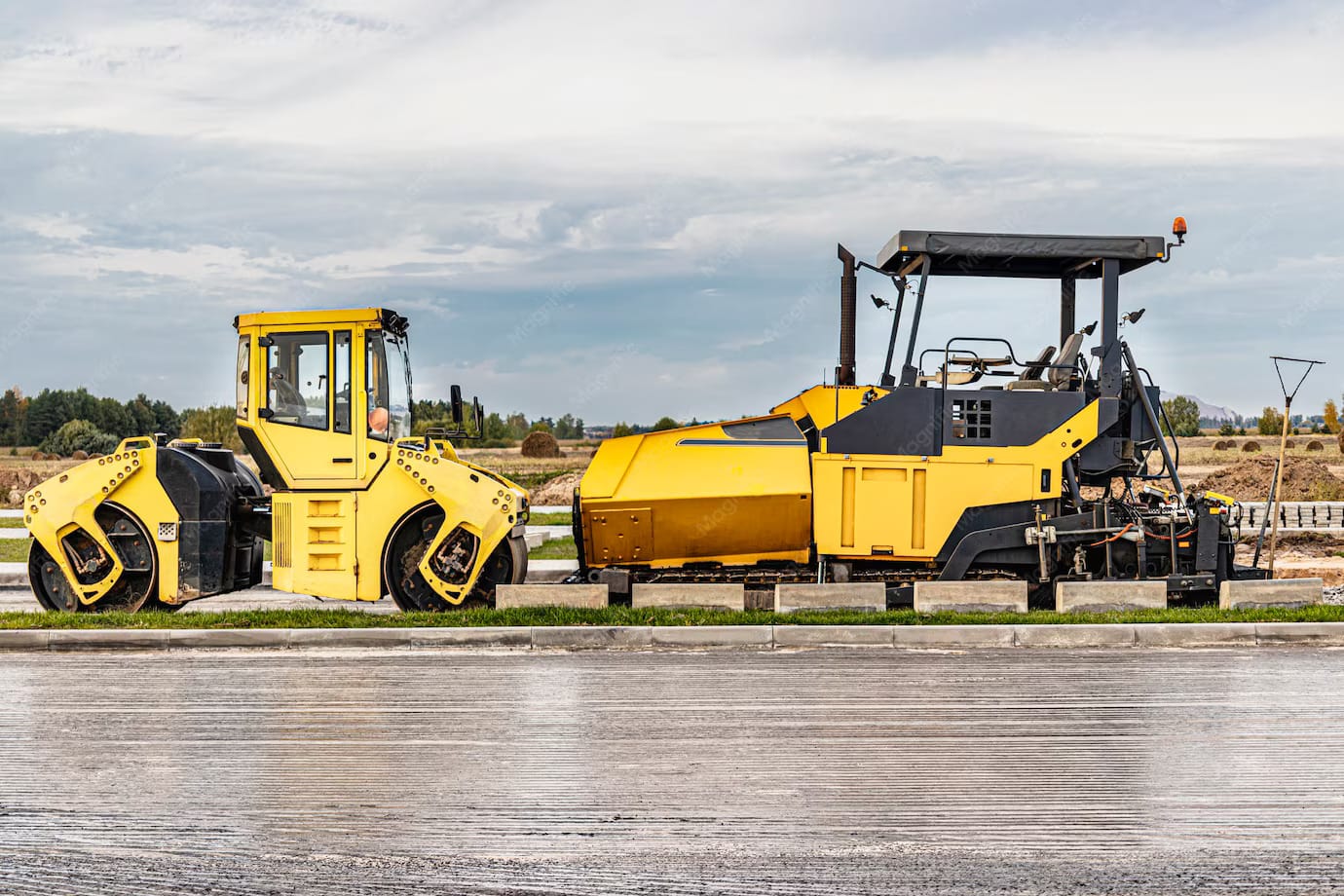
Handle heavy loads with confidence using industrial asphalt paving in Nashville, TN. We design and build pavements for truck yards, loading docks, and warehouse traffic with thicker sections and strong bases. Get a custom heavy duty asphalt solution for your site demands.
Precision Asphalt Nashville provides professional industrial asphalt paving throughout Nashville, TN, Tennessee and the surrounding area. Our licensed, insured crew delivers safe, clean, on-time work with a free estimate before anything begins. Call (615) 686-2795 or request your free quote.
Industrial Asphalt Paving Built for Heavy Loads in Nashville
Industrial asphalt paving is different from paving a driveway or a small parking lot. At Precision Asphalt Nashville, we design and build pavements that can live under constant truck traffic, forklifts, loaders, and fuel or chemical exposure without failing in a few short years.
Most of our industrial asphalt paving work in Nashville, Tennesse involves distribution centers, trucking yards, waste facilities, manufacturing plants, and equipment storage yards. These sites see loaded semis turning in tight areas, stacked pallets, and often standing water from heavy storms. If the pavement structure is not designed correctly for that kind of abuse, you end up with ruts, potholes, and base failures that slow down operations and damage equipment.
Our approach starts with how the site is used, not just how it looks on a plan. We ask about truck counts per day, typical axle loads, trailer parking patterns, and where drivers tend to turn and brake. That information drives our decisions on base thickness, asphalt mix types, and where we upgrade certain lanes and dock approaches to heavier duty sections so the entire site is not overbuilt and overpriced.
Because we work in Middle Tennessee conditions all the time, including freeze-thaw cycles, clay subgrades, and severe summer heat, we know which details fail first on industrial pavements in this area and design to prevent them from the start.
Our Industrial and Heavy-Duty Paving Process
For industrial asphalt paving, the ground under the pavement is as important as the asphalt on top. We begin with a site visit and evaluation of your existing surface, soil conditions, and drainage. In older industrial sites around Nashville, we frequently run into poor fill material, buried debris, or mixed patches of asphalt and gravel. Those problem areas get marked in the field so they can be excavated and rebuilt properly rather than simply covered.
Subgrade preparation is next. Soft or pumping soils are either undercut and replaced with compacted stone or stabilized in place, depending on the design. We typically install 6 to 12 inches of graded aggregate base for truck areas, compacted in lifts with proof-rolling to identify any weak zones. If a proof-roll shows deflection or pumping, we address it before any asphalt goes down so the base does not fail under the first season of truck traffic.
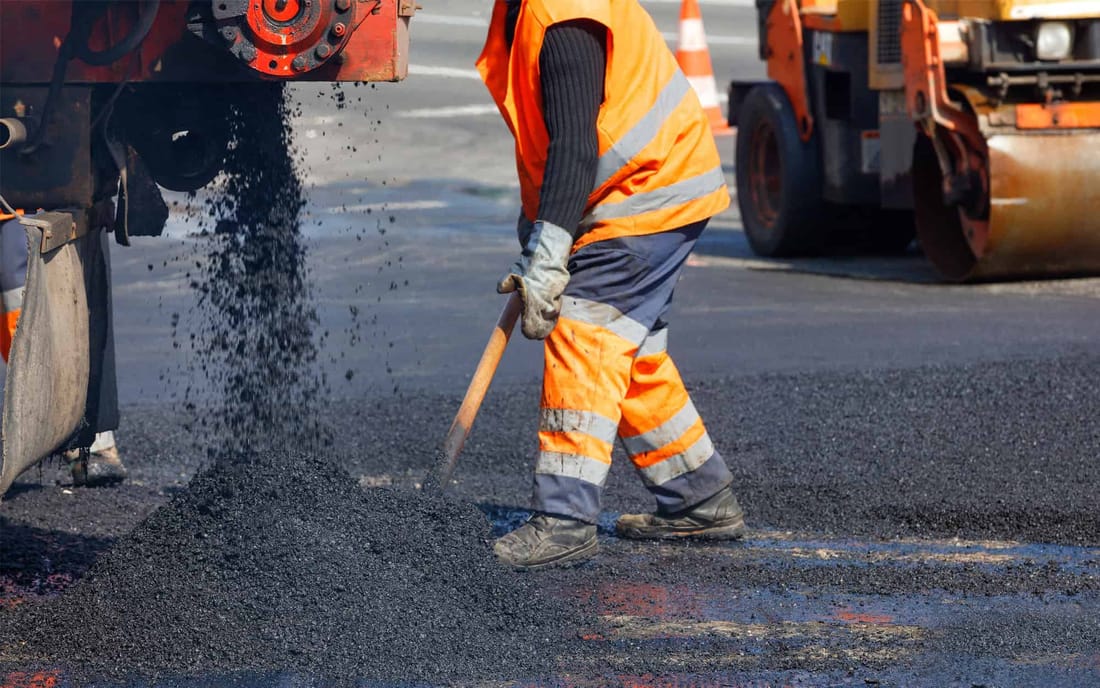
Once the base is set and tested, we place multiple asphalt lifts tailored to the site. A common heavy-duty section in this region might use a coarse aggregate base asphalt, followed by one or two intermediate lifts, and then a surface mix designed to resist rutting and fuel drips. For loading docks and queuing lanes where trucks stop and turn, we may increase total asphalt thickness or change the mix to a stiffer design. Transitions to concrete dock aprons or drains are hand-graded to remove bump points and keep water from sitting where asphalt meets concrete.
Compaction is monitored throughout with target density ranges specific to heavy-duty pavements. Our crews adjust rolling patterns based on the mix temperature and weather so you end up with a tight, well bonded mat. That density is what keeps water out and limits rutting when the asphalt starts carrying real industrial loads.
Design Options and What Drives the Cost
Industrial asphalt paving costs in Nashville are driven mostly by three factors: pavement thickness, base preparation, and site complexity. Materials and trucking are a part of it, but the real difference between a light-duty parking lot and a heavy-duty trucking yard is how much structure is under the surface.
If your facility sees a mix of car traffic and trucks, you do not have to build everything to the maximum standard. Precision Asphalt Nashville often designs hybrid sites with separate sections: car parking in standard duty asphalt, internal drive aisles at medium duty, and truck lanes or staging areas at heavy duty thicknesses. This targeted approach keeps your budget focused on the parts of the site that genuinely need extra strength.
Base work is another big cost driver. Where existing gravel or asphalt is stable, we can mill, proof-roll, and build over it. In low spots that always stay wet or areas where we see pumping under truck wheels, we plan for undercut, stabilization, or improved drainage. Spending money here is what prevents future shutdowns for base failures that are expensive to fix once your facility is up and running.
Site complexity includes working around active loading docks, tight access points, and night or weekend schedules to reduce disruption. In many Nashville industrial parks we phase work so that half of a dock line stays operational while the other half is being reconstructed. That adds some planning and mobilization time, but it keeps your trucks moving and your crews working.
You will see these factors explained clearly in our proposals. Instead of a single lump price, we break out base work, tonnage, and any specialty items like drainage improvements or concrete tie ins so you can see exactly what you are paying for.
Common Industrial Pavement Problems in Nashville and How We Fix Them
Industrial pavements in Middle Tennessee tend to fail in predictable ways. Deep ruts in truck lanes, alligator cracking in front of loading docks, and edge failures where trucks drive off the pavement are the most common issues we see when we are called in to repair or replace older work.
Rutting is usually a sign that the pavement structure is not thick enough or that the mix was not designed for heavy wheel loads in hot weather. We correct this by milling out the rutted areas down into a stable layer, rebuilding with heavier duty asphalt mixes, and sometimes increasing overall thickness. On high stress areas like transfer station entrances or fuel delivery lanes, we often change the section entirely to a more rigid configuration.
Alligator cracking near docks and in tight turn areas is typically base related. Water gets into the base through small cracks, then trucks pound that softened area until the base breaks up. Fixing this correctly means cutting out the failed section, repairing drainage if needed, rebuilding the base with quality stone, and then tying back into the surrounding pavement smoothly. Simply skin patching on top, which is common in quick fix jobs, usually leads to the same failure a year or two later.
Standing water is another big issue, especially on older sites built before current stormwater standards. Water sitting on asphalt softens the surface and works down into the structure. When we repave an industrial lot, we check grades against actual flow paths and add or adjust structures where needed. Sometimes a small grade correction with milling and a thicker overlay in certain lanes can eliminate chronic ponding without tearing out the whole site.
By focusing on the root cause instead of just the symptom, Precision Asphalt Nashville extends the life of industrial pavements and reduces the frequency of major shutdowns for repair work.
What to Expect When You Hire Precision Asphalt Nashville
Industrial asphalt projects affect operations, safety, and even lease agreements, so our process is built around predictability and clear communication as much as the work itself. Once you contact Precision Asphalt Nashville, we schedule a site walk to review your facility, traffic patterns, and any problem areas you already know about. If you have previous geotechnical reports or old plans, we use them, but we always verify conditions in the field.
We then provide a written proposal with a pavement section recommendation tailored to your use. For some Nashville projects, we coordinate with an engineer or geotech to confirm loading assumptions for very heavy or specialized equipment. If you are working under a tight budget, we will usually offer a phased or tiered plan that addresses the worst failures first and upgrades lighter duty areas later.
Before work starts, we help you plan traffic control and staging, including temporary access routes for employees and trucks. On active plants and warehouses, we typically schedule the most disruptive work for off hours or weekends. Crews are briefed on your safety protocols and any site specific rules so they can work alongside your operations with minimal friction.
During construction you will have a single point of contact who can update you daily on progress, weather impacts, and any field discoveries that could affect the plan. If we run into unexpected underground conditions, we stop, show you the issue, and present options with cost and schedule impacts before moving forward.
When the project is complete, we walk the site with you, review joint locations, drainage paths, and any areas that were rebuilt beneath the surface so you understand what was done and how to maintain it. For heavy-duty truck yards we can also discuss periodic inspection schedules to catch early signs of distress before they turn into shutdown-level repairs.